
Maricopa Resident Lookup Sources
No single public roll confirms that one named person now lives at a Maricopa address. A sound resident lookup treats each result as dated evidence. The Pinal County Assessor connects an owner to a parcel, while the Treasurer connects an owner and mailing destination to an APN. A deed names parties to an instrument. Court, probate, business, professional, voter, and vital records each add a different kind of identity clue. The record keeper and access rule change with the clue.
| Record | Fact it can confirm | Official source | Access route |
|---|---|---|---|
| Parcel roll | Owner name, site address, APN, legal description | Pinal County Assessor | Free owner or parcel search |
| Recorded instrument | Party role, recording date, land description | Pinal County Recorder | Online index from May 23, 1980; office fallback |
| Court index | Case, court, party role, filing activity | Arizona Public Access | Free index; official file from clerk |
| Vital or marriage record | Event and relationship facts, subject to law | Pinal Vital Records or Pinal Clerk | Eligibility, proof, or historical threshold applies |
| Business or license filing | Public role, status, and filing address | Arizona Corporation Commission or board | Free public search; address may not be residential |
Begin with the source that matches the known fact. A parcel is a strong start when an address or owner name is known. A case number is stronger than a loose court-name hit. For an heir question, probate belongs with the Superior Court clerk. For a license claim, use the board that issued it. This sequence keeps a Maricopa resident lookup tied to records that can be checked at their source.
Confirm the Right Maricopa Resident
Common names are the central risk when trying to look up a resident. Start with one anchor that is hard to confuse: a parcel, business entity, spouse or co-grantee, approximate event, document number, or case. Note each middle initial, suffix, former surname, and spelling variant. Then test the name against a second official source without turning a shared name into a claim of identity.
- Search the Assessor by owner name or known address. Record the APN, standardized site address, owner name, and legal description.
- Check the current owner in the Recorder index. Match the deed by APN, legal land description, recording date, or acquisition clues rather than name alone.
- Search the court party index with the same variants. Compare county, court, date, role, and case number to the established anchor.
- Use a vital, probate, business, or professional record only if it answers the remaining identity question. Keep its displayed address type and date.
- Obtain the official or certified record from the custodian when proof matters. Preserve the source date and record identifier.
- Docket
- The court's chronological list of filings and events in one case.
- Index versus image
- An index points to a record; an image reproduces a document and may still be unofficial.
- Certified copy
- A copy authenticated by the office that holds the official record.
- APN
- The Assessor's parcel key, separate from a street address or court number.
A match grows stronger when independent identifiers agree. If two candidates remain, stop short of attribution and keep both results separate.
Maricopa Court Lookup Clues
The Arizona Judicial Branch portal is a locator, not the certified court file. It offers Case Search, Minute Entry Search, Case Notification, and Document Search. The public index covers most Arizona courts, updates weekly, and warns that results may be incomplete or inaccurate. Sealed cases, orders of protection, mental-health cases, probate matters, victim and witness data, and much juvenile material do not appear. A missing result does not settle the question.
| Search control | How it helps |
|---|---|
| First and middle name | Optional fields for separating candidates |
| Last name | Required for the party-name route |
| Date of birth | Optional identity separator where displayed |
| Case number | Alternate and more precise route |
| Court or county | Choose Pinal when the known matter is local |
| Verification words | Required CAPTCHA before submission |
A result can show the court and county, case number, title or category, party names and roles, filing date, status or disposition, event dates, and sometimes the judicial officer or location. Public probate documents can still be requested directly from the Pinal Clerk even when the statewide index omits probate.
Note: Find the case number first, then ask the filing clerk for named pages or a certified copy.
Vital Records in Resident Lookup
Birth and death certificates for Maricopa are handled through Pinal County Public Health Vital Records and the Arizona Department of Health Services. Marriage licenses and divorce decrees instead belong to the Pinal County Clerk and Superior Court. Arizona generally opens genealogy access after 75 years for births and 50 years for deaths under A.R.S. § 36-351. A current certified certificate remains limited to an eligible applicant who supplies identity and relationship or legal-interest proof.
The application asks for the record type and copy count, the subject's legal name, event date and place, parent details where relevant, the applicant's contact and mailing information, relationship, purpose, signature, identification, supporting proof, and payment method. Use the current application because eligibility and fees can change. Historical church, cemetery, newspaper, FamilySearch, and archive material may bridge an early registration gap, but it does not grant access to a restricted modern certificate.
Index is not permission. A public historical index can identify an old event. It does not authorize a modern certificate or a sealed adoption file.
Maricopa Voter Self-Verification
The Arizona Voter Information Portal lets a voter confirm personal registration and election information. It is not an open name or street directory. The voter selects Pinal County and uses either state identification or the voter-registration route, with conditional fields for registration number, name, and date of birth. A successful check may return status, polling place, districts, and ballot information during an election.
A failed search can stem from the wrong county, spelling, recent registration, inactive status, or input error. It is not proof that a person never registered. Pinal County supplies a separate voter-data request form for an approved scope and permitted use under A.R.S. § 16-168. Protected fields are suppressed, and participation history never reveals ballot choices. That boundary matters in any Maricopa resident lookup.
Find a Maricopa Heir
Probate can connect a decedent with a personal representative, counsel, and heirs or devisees named in public filings. Search the decedent in Pinal Superior Court records, then request the actual case from the Clerk of the Superior Court. Useful public documents may include petitions, appointments, notices, inventories, and final orders. Protected and sealed material stays unavailable.
This route is stronger than guessing from a same-surname address. A petition or order is tied to a case and a date. Pair it with a death record available under the applicable access rule, an obituary or newspaper notice, a marriage record, or a recorded land instrument. For an adopted person or birth parent, use Arizona's official confidential court and adoption-record procedures. Trying to defeat a sealed file is not a valid resident lookup method.
Maricopa Identity Through Licenses
A business or professional claim can be checked without treating an office address as a home. The Corporation Commission search accepts an entity name or ID and offers routes through statutory agent and principal names. Results can list entity type, jurisdiction, status, formation, known place of business, agent, principals, titles, addresses, annual reports, and filing documents. Historical filings may show earlier roles.
Professional searches remain board-specific in Arizona. The captured Arizona Care Check portal illustrates one official route for health-care facilities and providers.
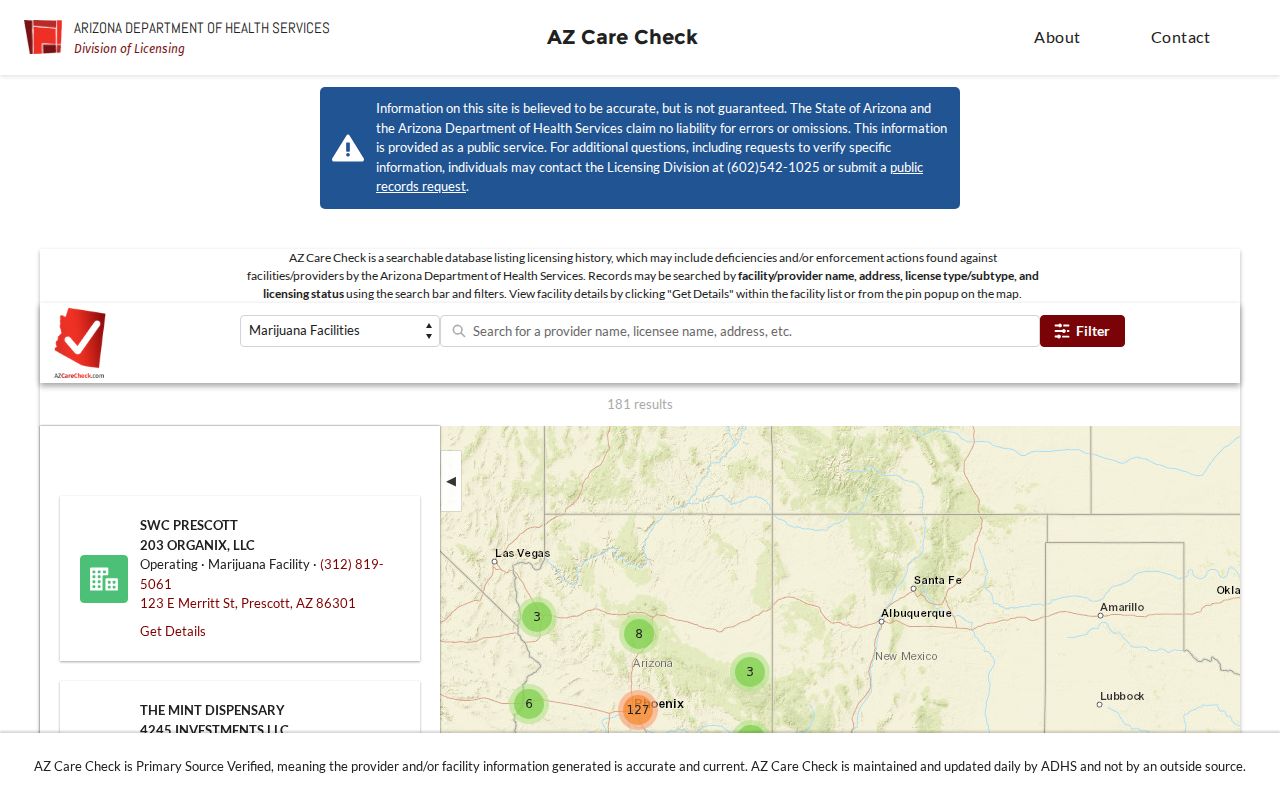
The displayed license or facility status answers a credential question. Practice, agent, and mailing fields still do not prove where a person lives.
Official Maricopa Safety Lookups
When the question concerns a named person's custody status or an official public-safety listing, go straight to the responsible agency. County custody belongs with the Pinal County Sheriff, state custody with the Arizona Department of Corrections, Rehabilitation and Reentry, and federal custody with the Bureau of Prisons. The source, identifier, and custody level must match. Old or copied listings can be stale. The Federal Bureau of Prisons inmate locator is the federal source captured for this resident-search task.
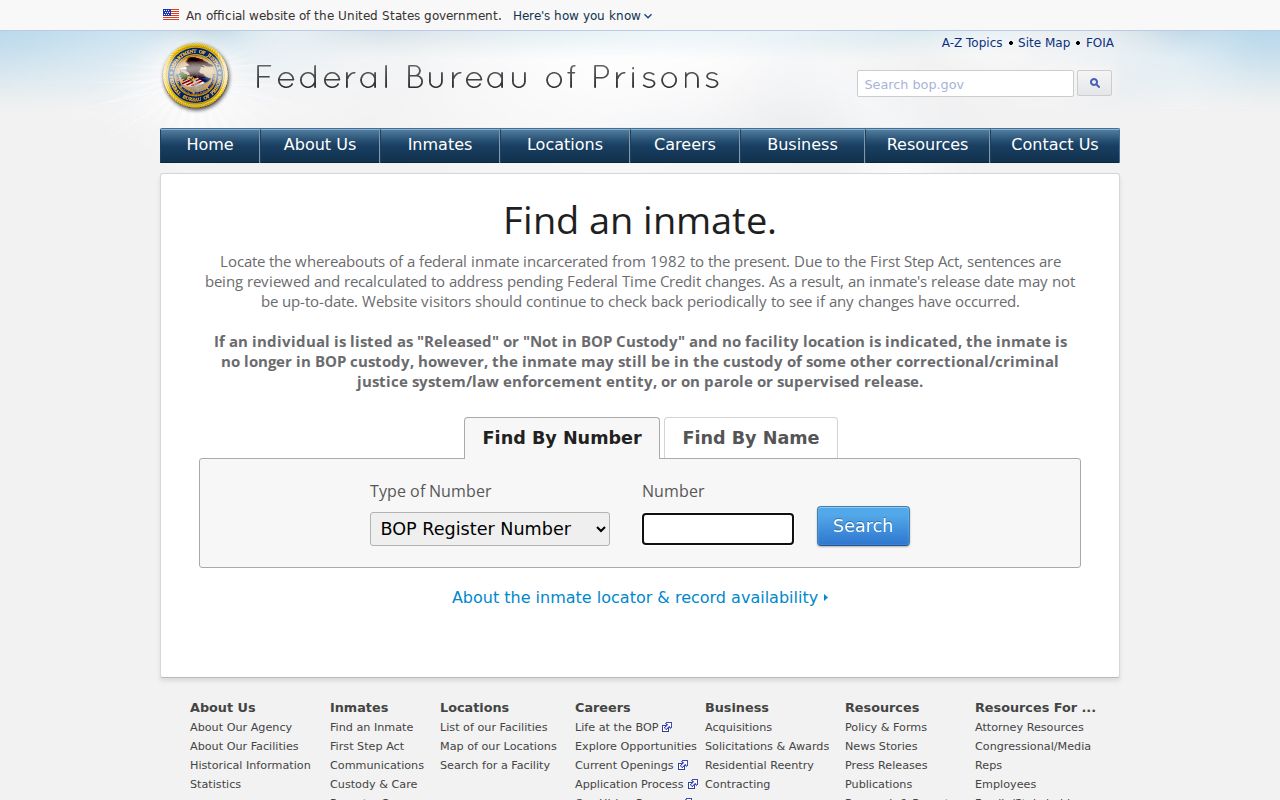
Its result speaks to federal custody data, not to land ownership, local court identity, or present residence. Arizona also provides an official sex offender information search for lawful personal-safety research.
Use the registry's own level, location, and update context. Do not merge a same-name result with another person or use it to provoke contact.
When Maricopa Search Results Fail
Arizona Public Records Law opens nonexempt records to any person during office hours and calls for a prompt response, not a fixed number of days. When an existing public record is not online, submit a narrow request to the correct custodian. Name the department, record class, person or entity as indexed, approximate dates, and any APN, case, document, or permit number. State whether an electronic inspection copy or certification is needed.
Channel choice is part of the work. Pinal's request hub separates departments, the Sheriff, and courts. Maricopa Municipal Court uses a written court request and reports a 7 to 10 business day turnaround. Recorder copies use Recorder web, mail, email, or counter channels. Voter data uses its statutory form. Vital records require their own application. An office must provide an existing nonexempt record, but it need not assemble an open-ended profile of a resident.
A correction also goes to the creating office. Check the underlying Recorder instrument before disputing assessor ownership. Send voter corrections to the Pinal Recorder, docket errors to the filing court, and entity errors to the Corporation Commission. A search portal usually republishes custodian data and cannot decide a disputed identity.
Maricopa Resident Lookup Limits
Arizona's Safe at Home program provides a substitute address and mail forwarding for eligible victims and household members. Protected voter addresses, restricted dates of birth, driver or state identification numbers, sealed and expunged court files, adoption records, modern vital certificates, and sensitive law-enforcement material are not ordinary lookup data. The absence of a protected person from a public result says nothing about that person.
Commercial compilations may merge names, retain old phone or address history, and hide source dates. Treat that category only as an unverified clue and return to the government custodian. Commercial removal does not erase a valid deed, docket, or tax roll. Government corrections and statutory redactions must be sought from the office that controls the source record.
Lawful use. A Maricopa resident lookup is for lawful personal research. Arizona harassment and stalking laws apply when records are used to watch, threaten, or harm someone.